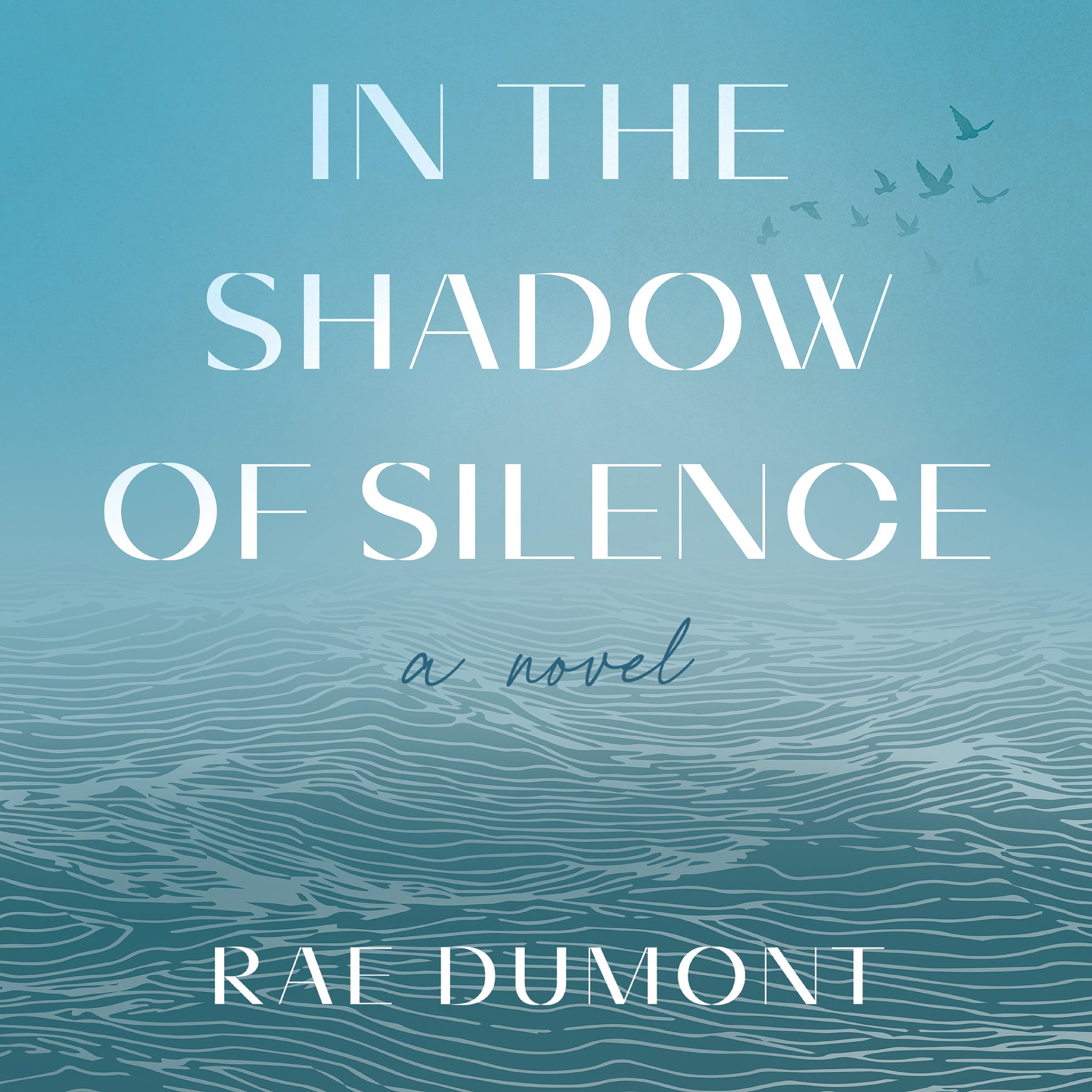
'In the Shadow of Silence' , An interview
Interview with a character from the book
There is a chill in the room; a dense silence hangs like a wet weight. The interviewer enters, doesn’t see anybody, sits in one of the armchairs. A curtain flutters. There is a faint flicker above the other armchair.
Interviewer. Lyman? The air stirs. A bluish shape hovers. Lyman? Is that you? Please make yourself comfortable.
Lyman. Tha-an . . . Clears his throat. Thank yo-u-u.. His voice is a hollow whisper.
Interviewer. Take your time. I imagine you haven ‘t had a lot of conversations these past twenty years. Glass of water?
Lyman coughs. Ha. The dead don’t talk much. They don’t drink water either. The blue shape shifts, settles above the couch.
Interviewer. Of course, that was clumsy of me. Um. Thank you, for coming all this way and for making time to meet.
Lyman snorts. Time? I have nothing but time.
Interviewer. Right – Well – May I start by asking about your happiest memories? Can you tell us about those?
Lyman. Sure. There are many. His face briefly comes into focus, with a halo of reddish curls and a graying beard, his steel-gray eyes look through the interviewer. Let’s start with Eva – she and I were happy. We both loved wild places; we had adventures outdoors together. Later, we shared nature with our children.
Interviewer. And what was she like, Eva?
Lyman chuckles. She was a tiny woman, a foot shorter than me. I could easily pick her up, which she loved. But she was – well – power-packed. Smart; she knew what she believed in. She was passionate about her work as a psychiatrist; she asked good questions about my research. We could always talk, until. . . Until I . . .
Interviewer nods. You mean, until you became ill?
Lyman. You could call it that.
Interviewer. And – how did you meet?
Lyman. I gave a lecture at the University, and she walked in. I have a hunch it was a rainy night and there was nothing better going on. It was about river habitats and climate change.
Interviewer. And she caught your eye?
Lyman. We chatted a bit. She loved the outdoors, and we liked many of the same places. Trails that nobody knew about.
Interviewer. I gather it was a good marriage?
Lyman. Yes. A pause. She was the love of my life. She was an amazing mother. After – after I left them suddenly, I watched how she supported the kids. I wish. . .
Interviewer gives him a moment. Tell me about them?
Lyman. We had two boys first; the last one was a surprise a few years later. A lovely surprise; a girl. The two boys were as different as night and day. Ezra, always on fire about something and forever bossing his little brother around. Gabe looked up to him and let him get away with it. They were always close. Afterward too. Gabe tried to get Ezra to tackle his own depression...
Interviewer. I see. And – What else can you share?
Lyman. Ezra is talented. He inherited Eva’s love of music, and ran with it, became a professional jazz musician. He and his girlfriend Vicky wrote the music for their band. Eva and I loved her, and she was good for him. She settled him.
Interviewer. And your other son?
Lyman. Gabriel was more like me, quiet. He was thoughtful. He hated conflict as much as I do; always tried to make everybody feel better. And by the way, he became an environmental scientist.
Interviewer. Really? He followed in his father’s footsteps then.
Lyman’s hazy shape dissolves for a moment. It floats to the window and hovers there. Yeah, in more ways than one. Poor kid, trying to fill his father’s shoes after – well, after I was gone. He took that on, and he was only twenty-two.
Interviewer. It sounds like you’ve watched over them, since your death?
Lyman. Always. Gabe supported Eva. He moved back to the house, to be there for his little sister. Olivia had a hard time . . . she was just a teenager when I ended my life. It shattered her. To be honest, she already had a hard time before, the summer leading up to it. I never imagined what my choice would do to them all.
Interviewer. You say choice, do you mean the suicide? Was it a choice, then?
Lyman. Come now. Of course it was a choice. One always has choices. Although I chose not to see it, that I had options. Then, in the end. . . (A whispered moan). In the end I couldn’t even think straight.
Interviewer. Is this too difficult to talk about? Do you need a moment?
Lyman. A moment? Moments mean nothing to me.
Interviewer. Then – you said Olivia had a hard time that summer. Why was that? Did she know you were struggling?
Lyman. Probably, but mostly she was furious with me for withdrawing from everybody, and ruining a family summer. For being an asshole. Which I guess I was; I was vaguely aware, but mostly it is all a blur.
Interviewer. Because of the depression?
Lyman. Yeah. I had had depression before, and it ran in my family. But I had always managed it. When Olivia was little, it came back, and Eva helped me see how much my moods affected everybody. She convinced me to seek help… Eva – she was my rock.
Interviewer. And the treatment helped?
Lyman. Yes, it did. It was hard work. And . . . we had such a great life. The curtains rustle.
Interviewer. Then – what changed?
Lyman. What changed? I stopped treatment. For no real reason, like an idiot. My prescription ran out; I stopped suddenly. Eva tried to warn me that wasn’t safe, and part of me knew that she was right. But once I stopped, I became darker, until I got stuck. Like I said, eventually I couldn’t think straight. I wound up believing they would be better off without me.
Interviewer. So much grief, for all of you . . . A pause. Lyman, I wonder, do you have thoughts on what might have helped you get well again?
Lyman. I’ve had plenty of time to think about that. It’s all I think about.
Interviewer. Of course . . . What did you conclude?
Lyman. It’s about people’s attitudes. How the world looks at mental illness.
Interviewer. In general, you mean?
Lyman. Yes. My own family is a perfect example. I never even knew I had an uncle who committed suicide. There was so much shame, folks didn’t talk about depression when I was growing up. It had to stay hidden. If there weren’t so much shame, people might be more willing to get help. Pause. A sigh. Even I struggled with shame, and I should have known better; I was married to a psychiatrist. But the prejudice lingered anyway.
Interviewer nods. You make a good point.
Lyman. Besides, the more a family’s stories are kept secret, you know, the bigger the shame becomes. It’s like a vicious cycle. Instead of learning from these hidden stories, things grow bigger and scarier when they are out of sight, in the dark.
Interviewer. Thank you, Lyman. Would you mind if I shared what you told me? It might well help others . . .
Lyman. Go for it. . . that’s why I came. . . His voice trails off. The blue shape flickers out, and there is a swoosh. The room feels warmer, suddenly.